The month is finished. The sales were excellent and the P&L showed a profit and there was nothing to be seriously incorrect.
Check the restaurant’s bank account.
The number isn’t what you’d expect.
For restaurant owners, this gap can be frustrating as profits and cash flow feel as though they should have the same meaning. They don’t. A P&L measures the financial performance of a company over a specified time period, whereas it is a bank account that shows the actual timing of money going into and out of the company.
Understanding the difference can help owners change their perception of restaurant financials.
Take a look at what happens during an ordinary week. Food is paid for by customers. Employees must be paid. Food and drinks deliveries arrive with invoices attached. Rent is nearing. Credit card transactions have their own specific timing. Sales tax has been paid, but that cash is a legal obligation.
Already the next week’s purchases have started.
If you focus solely on revenue or the number of dollars earned at the end it’s easy to miss a the vast amount of activity.
Prime Cost Could Hold the Key to the Solution
Food, drink and labour costs are worth taking a closer at when profitability in restaurants begins to fall.
Cost of the goods sold with labor is the primary cost. Bookkeeping Chef’s guidelines place the cost of goods sold at 60%-65% of revenue for many establishments, and emphasizes weekly monitoring rather than waiting until the final day of each month.
Effective primary cost management requires less obsessing on a single percent, and more paying attention to early movement.
If the restaurant typically does well, however this week it’s an increase in percent. Maybe the number of overtime hours went up. The beverage cost may be the same as food costs rose. A higher percentage of food could cause the manager to look at purchase, waste, menu mix portions and vendor invoices.
The percentage raises a question. The activities that underlie the restaurant provide the answer.
Weekly reports allow this conversation to take place while everyone is still aware of what has happened.
A few weeks later The details are much more difficult to decipher.
Then the Vendor Bills Show Up
Restaurants might purchase food items the week before and pay for them the next. It’s because of this timing that knowing profits alone will not answer all cash issues.
Vendor invoices must be tracked, accepted and paid. Doing this manually in a busy business with many suppliers can result in a significant administrative burden.
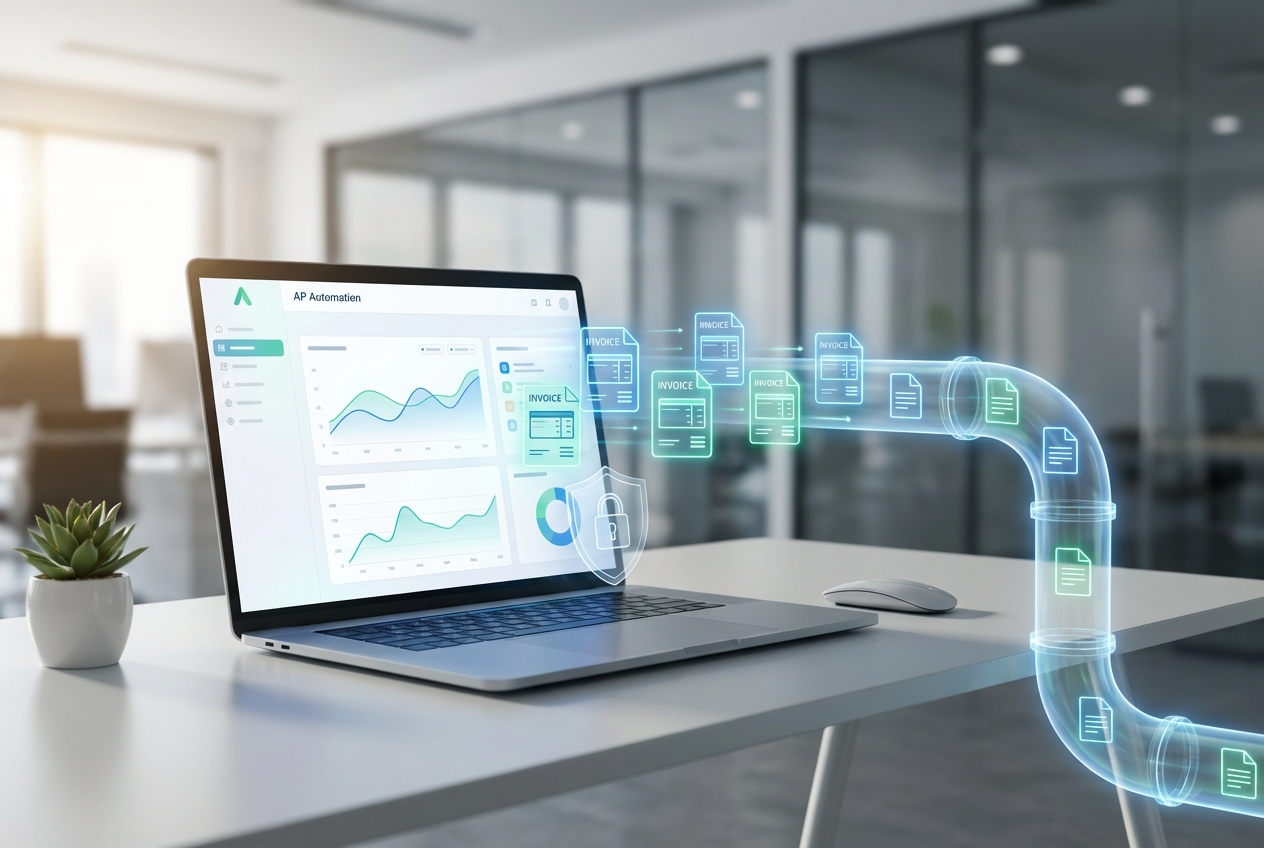
Accounts payable automation helps organize this process by reducing repetitive handling of bills and payment information. Bookkeeping systems that are integrated can give owners a better view of their obligations, even if they’ve not yet been paid.
That’s useful because a bank balance viewed in isolation can look healthier than the restaurant’s actual near-term position.
There might be $80,000 in the account as of today. The amount could mean something different depending on other factors such as rent or other expenses, such as payroll, vendors or other obligations in the next few days.
Forecasting cash flow is a natural result.
What happens to our money after we’ve received the money that we expect and met all of our obligations?
This is an important distinction to make when deciding on whether this is the right week to purchase an additional item or replace equipment, or keep liquidity.
and some of the cash Wasn’t Really Yours
The sales tax illustrates this very well.
Restaurants get money from customers, which they follow in accordance with the tax requirements. If the funds are combined with normal cash flow, the balance of the bank account could be misleading about how much money is available.
A consistent record-keeping system helps restaurants to comply with the sales tax laws and also providing an accurate view of their financial position.
This is a reason why restaurant accounting is better when financial obligations aren’t viewed as separate islands.
Prime cost affects margin. COGS and future payments are affected by vendor purchases. Payroll affects the amount of cash available and also the labor percentage. Cash availability is impacted by sales tax. The P&L shows financial performance, and forecasting assists management to look ahead.
The pieces are joined.
Bookkeeping Chef is a restaurant-specific report that integrates along with system integrations. Outsourced bookkeeping can help operators who do not want to spend the night manually reconciling their financial information.
It’s the last thing that counts.
The goal isn’t for owners of restaurants to stop looking at their accounts because they are handled by someone else. Owners should be given information that can help them comprehend what’s happening.
Don’t think that the P&L is correct if your balance of the bank seems to be tight, however the P&L indicates that the restaurant earned money.
What happened between the two?
This question will tell you more about your business than any other number.