Restaurant owners will open their monthly P&L reports, look at sales, then go down to the bottom and close the report.
Sound familiar?
If only those two numbers are scrutinized the report’s true worth is diminished.
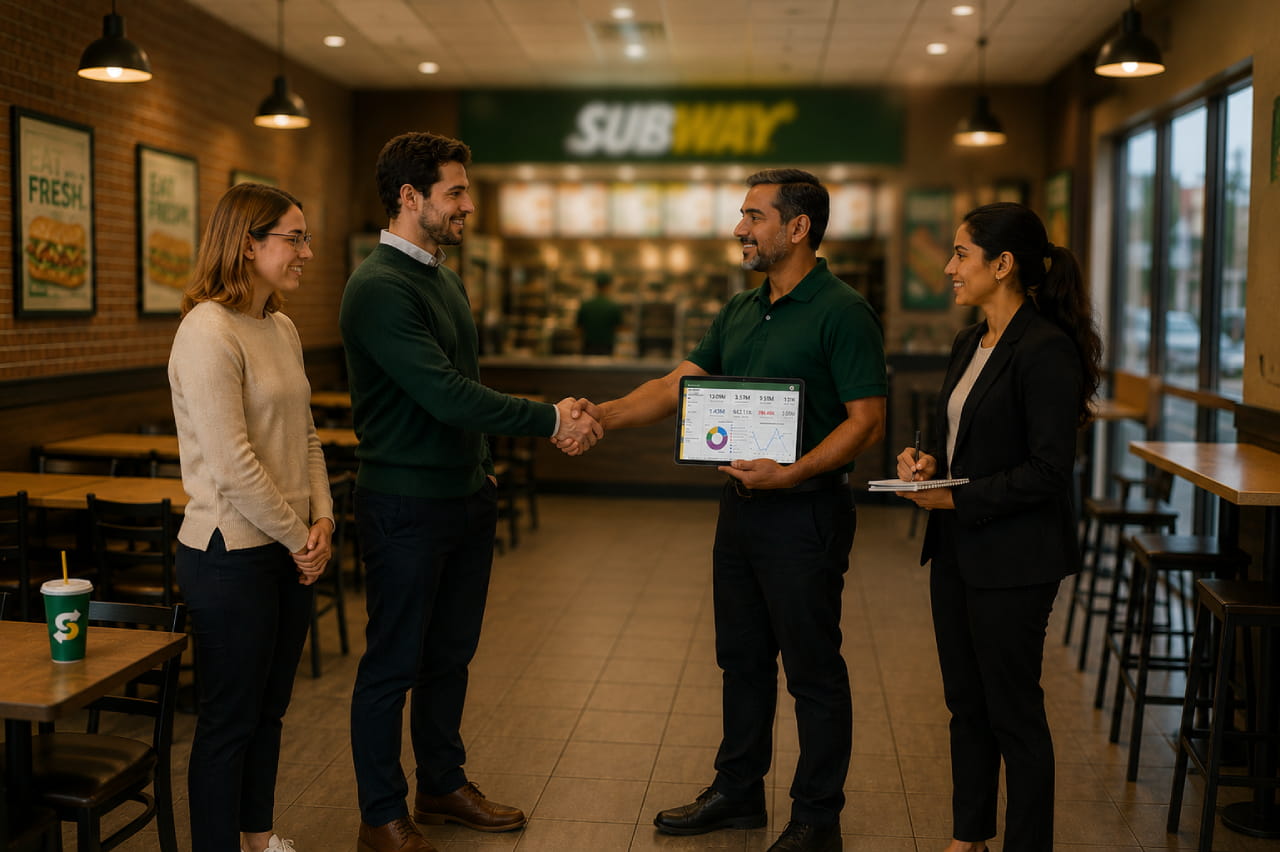
A good bookkeeping program for restaurants shouldn’t increase the dependence of owners on accountants. It should provide them with confidence in their own numbers. You don’t need to know every accounting rule or be a slave to invoices for hours. You should know how profit has changed in relation to labor and food costs, and the other questions that must be addressed next week.
That’s the idea Bookkeeping Chef’s mission: to automate the bookkeeping work that doesn’t require a proprietor’s time. It also provides restaurant owners with better financial information that they can use.
Do Not Stop at the Month-End Numbers. Begin with Weekly Numbers
Even though restaurants do not operate on a calendar month, they still need to have an P&L. This week, managers plan their labor. Chefs order food today. Vendors change prices now.
Bookkeeping Chef offers weekly flash reports on top costs as well as monthly financial statements.
The prime cost comprises two major areas which can be quickly relocated in a food service establishment: the price of the food sold and labor. The information provided by the Bookkeeping Chef indicates that the prime cost typically accounts for 60 percent of sales at restaurants.
Consider a situation where sales are not changing at all however, the cost of prime services are growing. This percentage doesn’t provide an answer. The owner has an excuse to do some research.
Have the hourly wages increased? Did overtime happen? Did food cost move? The invoice for a vendor was unusually high. Did sales mix changes?
This is far more beneficial than having the same issue two weeks later.
Let Automation Handle the Repetitive Work
The DIY bookkeeping process doesn’t have to be limited to manually transferring POS figures into spreadsheets.
Automating the restaurant’s bookkeeping process can help eliminate repetitive data movement. The service connects POS systems including QuickBooks, QuickBooks, vendors platforms Recipe and inventory management, as well as AP/payment instruments.
Automating solely for the sake automation is not the goal.
The goal is to eradicate the manual entry of data, and ensure that financial records are up-to-date so that managers are able to spend more time analyzing the information rather than assembling it.
That creates a different model of bookkeeping for restaurants: technology handles more of the mechanics while the owner remains engaged with the financial meaning.
P&L Questions: Learn How to Ask More Effective Questions
When you stop treating a P&L as a type of test, it will become less daunting.
Begin with sales. Next, look at the cost of production. Compare the food and beverage performance. Analyze the costs of labor. Examine labor.
Comparing periods.
If sales improved but profit didn’t, something between those two lines has changed. Ask what changed within the organization in the event that food costs went up. Check the levels of staffing and sales activity if labor percentages changed. If a number looks strange examine it instead of thinking the restaurant was simply having poor month.
Bookkeeping Chef provides monthly P&Ls that are completed in five business days, allowing owners the opportunity to look over recent performance rather than receiving accounts long after the operating period is completed.
Speed is crucial, but the goal is to understand.
It’s not necessary to DIY everything.
You can find a happy balance between hiring someone to take care of all your financial requirements and having your own full-time accountant.
Owners can remain engaged without having to manually complete each accounting task.
This may mean using automated systems to maintain the flow of information, examining the monthly P&L and a weekly report regarding prime expenses and asking questions in the event that an unexpected event occurs.
The services of specialized restaurant bookkeeping can aid in this process by organizing the books and assisting the owner to know what the reports mean.
There is a good chance to get an accountant that can do all the functions.
It’s an owner who can sit down with the P&L and engage in a thoughtful discussion about the company.
The objective of financial independence is not to produce more reports, but rather to achieve financial freedom
Restaurants already generate huge quantities of data. A different dashboard might not be beneficial.
The real value comes when an employee can look at a weekly report on the prime cost and notice that something changed, then open the P&L and understand what to do next.
Bookkeeping Chef’s approach incorporates automation of bookkeeping in restaurants daily reporting monthly P&Ls, as well as specific financial assistance for restaurants to make that possible.
Automatize repetitive tasks. Review the prime cost each week. Learn to understand the same language as your P&L.
You do not have to be an accountant.
You must become a restaurant owner who is aware of the financial story of your own restaurant.