A friend mentions a cryptocurrency that doubled in price. You open a trading accounts and then watch a few videos, and then you are tempted to invest. But there’s a problem. You may understand the price fluctuation but don’t understand the product you’re purchasing or how it works or what happens in the event that something isn’t working.
Before money is actually spent the education in cryptocurrency must bridge the gap. The Coin Course provides educational resources which cover the fundamentals of blockchain and crypto wallets. It also covers decentralized finance, non-centralized financial technology, security, trading, and other concepts. These subjects should be learned by doing it in a way that is practical for beginners.
Begin with the transaction, not the price chart.
A great tutorial on cryptography will clarify the purpose of cryptocurrency. Bitcoin is one example. It lets money move across the world without the need of an institution to an eye on transactions. Ethereum supports digital currencies and applications that make use of programmable contracts.
The technology isn’t easy to understand simply by watching its market value. Begin by understanding how wallet addresses function and why network verification is essential for transactions and what differentiates cryptocurrencies from bank deposits. These basics help clarify the benefits and drawbacks of digital currencies.
One transaction is tracked through the Blockchain
It is simpler to comprehend technical concepts when they are linked to an activity that you are familiar with. Imagine that you are able to transfer cryptocurrency from your wallet to another person. Your wallet creates a new transaction that is then authorized through your private key. The transaction will be submitted to the network for verification against its rules and later added to the blockchain.
This method can be demonstrated in a real-world blockchain tutorial with an application called a block-explorer that allows users to examine the details of transactions and verify their the transaction’s status.
This practice teaches an important security point. Blockchain transfers cannot generally be canceled because a sender has entered an incorrect address. Knowing how wallets work can simplify its utilize.
Learn to safeguard your assets Prior to exploring DeFi
Beginners tend to focus on earning money, but do not pay attention to basic security for their wallets. Private keys are the sole means to gain access to your cryptocurrency. Recovery phrases are an option to repair a compatible wallet and to access its assets.
If you’re a fan of this expression your investments may be in danger. The differences between hardware and software wallets, and custodial exchanges must be explained in useful blockchain-related guides.
These lessons should also include phishing, suspicious wallet connections and the dangers of approving the permissions to smart contracts without being aware of the implications. These lessons are crucial when examining the realm of decentralized finance. The users interact directly and don’t rely on intermediaries that are traditional.
Learn Crypto Trading Without Confusing Activity With Progress
Technical indicators and candlestick patterns are typically the first tools employed by those who want to start learning crypto trading. They are helpful but they should not be used in lieu of the need for a thorough understanding of the risks. Consider how much money you can afford to lose before making a trade. Also, consider the factors that could undermine your decision and how the costs of transactions will influence your performance.
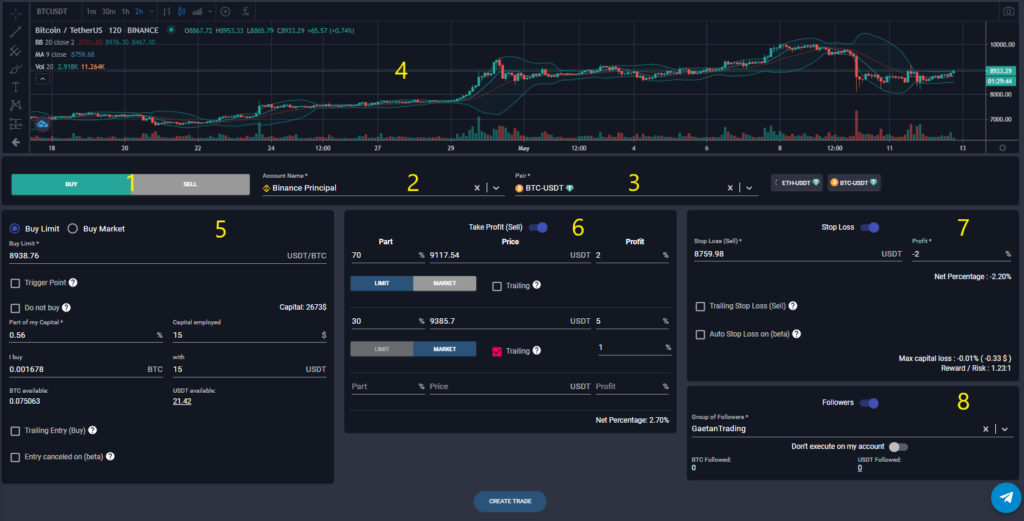
Limit orders permit you to specify the price but execution isn’t guaranteeable. Market orders provide priority to execution immediately. Leverage can increase risk, since even small price fluctuations can result in substantial losses.
Beginners can get some practice in analyzing markets and making hypothetical trades before they commit real funds. A trading journal can also show whether or not the decisions stem from a consistent strategy, or are simply the result of fear and exuberance.
Explore Advanced Topics and Answers to Better Questions
After the basics are understood Once the fundamentals are established, it becomes simpler to analyze subjects like DeFi NFTs, smart contracts. The question of how much DeFi platforms might pay is not the approach. Instead, consider where the revenue comes from and what kind of price users are willing to accept.
When studying NFTs It is important to distinguish ownership of tokens from ownership of the artwork or intellectual property rights.
When staking, consider whether rewards reward participants for helping to secure the network or result from another financial arrangement. The Coin Course brings these topics into a broader cryptocurrency learning experience, helping readers develop knowledge across different areas of the industry.
Create Knowledge that Lasts Longer Than Market Trends
The price of cryptocurrency changes constantly, but the basics remain relevant. Understanding the blockchain transaction security, wallet safety trade mechanics, decentralized applications, and security of wallets will enable you to examine new ideas rather than relying on sales pitches.
Do not be rushed to learn everything. Once you understand the basics, move onto more advanced subjects. It’s not necessary to become an expert within a few hours. It’s about gaining enough knowledge to be able to spot the risks, ask more questions, and make better decisions as the cryptocurrency industry changes.